
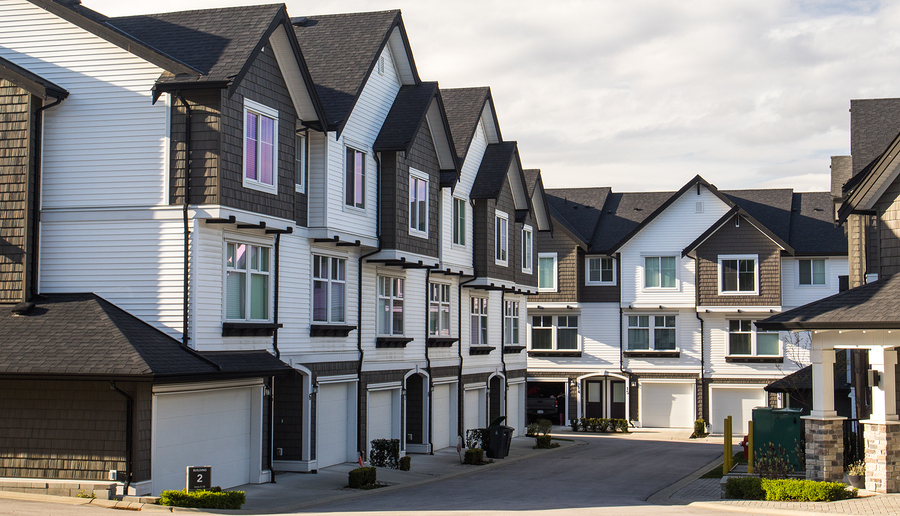
Apartment Building
- 45-Day Planning
- Debt Review
- Advisor Coordination
A DST that holds one apartment building is a narrower bet than a program spread across several communities. Every dollar of distribution traces back to one roof, one elevator bank, one parking structure, one lender, and one submarket. There is no second address to absorb a bad quarter.
Buildings in this category range from a forty-unit garden walk-up to a mid-rise with structured parking and an elevator. The physical plant, the tenant mix, and the lease structure change with that range, and the offering documents should describe which one the trust actually owns rather than a generic apartment description.
Read the single-property appraisal, the rent roll, and the loan documents as a description of one operating business, not as a diversified real estate allocation. The sponsor's track record with comparable single buildings matters more here than a broad multifamily résumé.
A roof leak, a failed boiler, a burst riser, or a code violation affects one hundred percent of the trust's income rather than a fraction of a portfolio. Ask for the age and remaining life of the roof, mechanical systems, and building envelope, and compare that against the reserve the sponsor has budgeted.
Local events carry the same weight. A new competing building two blocks away, a change in the neighborhood's employer base, or a municipal reassessment moves the entire distribution, not a diversified slice of it.
Confirm what insurance covers business-income interruption if a system failure or casualty takes units offline, and how long the trust could sustain distributions during a covered repair period.
A mid-rise or high-rise building depends on systems that a garden-style property does not: elevators, fire suppression, structured or below-grade parking, and often a single shared HVAC plant. Failure of any one of these can make units unmarketable even when the leases are otherwise sound.
Review maintenance contracts, code compliance history, and any deferred capital items identified in the property condition report. Elevator modernization and parking structure repair are large, lumpy expenses that a reserve sized for routine turnover will not cover.
Ask how the sponsor has handled comparable system failures in other single-building holdings, including how long units were offline and how the trust funded the repair.
If the building was recently constructed, converted, or renovated before the DST acquired it, distributions in the first year or two depend on completing lease-up rather than on a stabilized rent roll. Compare the sponsor's projected absorption pace against actual leasing velocity reported in the trailing operating statement.
A building that is ninety percent leased on paper can still be earning well below stabilized rent if early leases carried concessions to fill units quickly. Separate physical occupancy from economic occupancy before treating the current run rate as durable.
Ask what happens to distributions if lease-up runs longer than projected, including whether the sponsor has committed reserves or a rate lock to bridge the gap.
Because there is no second property to offset a soft submarket, map every apartment building under construction or recently delivered within the building's direct competitive set, not the broader metro area.
A renter choosing between the subject building and a newer property offering concessions two blocks away will usually take the concession. Ask the sponsor for a unit-by-unit comparison against the closest three or four competing buildings, including rent, unit size, and amenities.
Stress the rent roll against a scenario where the nearest new delivery leases up at a discount during the trust's hold period, and confirm the debt service coverage still clears at that lower rent.
A well-located single apartment building can attract private buyers, regional operators, and other sponsors, but the buyer pool for one address is smaller than for a diversified portfolio sale, especially in a market where debt is expensive.
Model disposition using a cap rate at or above entry, actual selling costs, and a marketing period long enough to find a qualified buyer for one asset rather than a bulk sale.
Confirm what authority the trust documents give the sponsor to extend the hold, refinance, or adjust distributions if the building does not sell within the projected window.